120,000 taxpayers voluntarily join simplified tax system: Finance Minister

Egypt’s Minister of Finance Ahmed Kouchouk said that the Egyptian government is maintaining direct communication with investors to tackle tax, customs, and financial challenges through practical, actionable solutions. Speaking at the annual conference of the Federation of Small and Medium Enterprises Investors, which brought together entrepreneurs from across the governorates, Kouchouk praised the open dialogue with “ambitious investors” seeking to expand and grow.

“Last year, we promised the first package of tax facilitation measures, and together we delivered on that promise,” Kouchouk said, noting that the positive results confirm that “betting on the private sector always pays off.”

He explained that 120,000 taxpayers have voluntarily joined the simplified tax system. Additional financing initiatives have also been introduced to encourage further participation in this advanced and incentivised framework. Under the programme, taxpayers voluntarily submitted around 660,000 new and amended tax returns, reported business volumes amounting to EGP 1trn, and paid approximately EGP 80bn in additional taxes.

“We are proud of this valuable trust from our partners in the tax facilitation journey,” Kouchouk added. He also noted that a second package of tax facilitation measures will be presented to the House of Representatives after Eid Al-Fitr.

The Finance Minister highlighted that the government continues efforts to stimulate economic activity, expand initiatives in industry, tourism, and exports, and reduce customs clearance times to ease costs and burdens on investor partners.

Khaled Hashem, Minister of Industry, emphasised the ministry’s commitment to strengthening communication with owners of micro, small, and medium enterprises (MSMEs), describing them as a vital link between large-scale projects and micro-enterprises, and a cornerstone of the productive economy system. He noted that sustainable industrial development requires integration and coordination across all sectors.

Hashem stressed the importance of accurate data on markets, commodities, and industrial activities. The ministry is developing mechanisms to collect and analyse economic data scientifically and systematically, linking it within an integrated knowledge framework. This will allow the private sector to utilise data for investment planning and production expansion while supporting policymakers in setting industrial priorities, identifying production gaps, and targeting investments toward high-growth sectors.

He added that the availability of a precise database on production volumes, domestic demand, and export demand will help build a clear vision for industrial development, guide investments toward sectors with the greatest need and growth potential, and boost exports.

Hashem also underlined that the ministry will focus on developing productive activities in villages and rural areas to improve household incomes, create jobs, and reduce migration to major cities. Expanding productive activities in rural regions, he said, is a key pillar of balanced economic development across governorates.

Regarding exports, Hashem explained that Egypt’s upcoming strategy will prioritise increasing the local content ratio in exported products, aiming to deepen domestic manufacturing and reduce reliance on imported inputs. Strengthening feeder industries and raising the added value of Egyptian products will enhance the competitiveness of Egyptian exports in regional and international markets.

Alaa Al-Saqti, Chairperson of the federation, noted that the current phase requires coordinated efforts between all state institutions and the business community to support the national economy and expand productive sectors, thereby increasing employment rates.

Al-Saqti praised the Finance Minister’s field-oriented approach, highlighting his ability to understand and address the challenges faced by small investors. He described this as a positive model of direct communication between government and business, and expressed hope that it could be replicated across other ministries.

He also stressed the federation’s aspiration to maintain direct and continuous engagement with the Ministry of Industry, noting that its role extends beyond highlighting challenges to actively contributing to the formulation of solutions. https://www.dailynewsegypt.com/2026/03/17/120000-taxpayers-voluntarily-join-simplified-tax-system-finance-minister/

Investment Minister reviews General Motors’ $530m Egypt expansion plans

Egypt’s Minister of Investment and Foreign Trade, Mohamed Farid, held talks with Sharon Nishi, Chairperson and Managing Director of General Motors Egypt and Africa, to review the company’s current investments in Egypt and its future expansion plans.

The meeting, held on Tuesday and attended by Jehan Saleh, economic adviser to the Prime Minister, focused on the government’s efforts to localise the automotive industry, increase its contribution to GDP, and align with GM’s expansion strategy in the Egyptian market.

Farid highlighted the government’s broader agenda to localise industrial production, boost exports, attract foreign direct investment, and enhance the competitiveness of the automotive sector and its feeder industries. He underscored the strategic partnership with General Motors, which has maintained a long-standing presence in Egypt and produced more than one million vehicles locally.

The minister noted that GM’s operations have generated around 1,300 direct jobs and over 30,000 indirect jobs, reflecting sustained investor confidence in Egypt’s market and its ability to attract long-term industrial investments.

Discussions also reviewed the status of GM’s investments in Egypt, which exceed $530m, including approximately $50m allocated to robotic systems and advanced manufacturing technologies aimed at enhancing production efficiency.

Farid pointed out that local content levels in some vehicle models now exceed 60%, supporting the state’s strategy to deepen industrial localisation and increase reliance on domestically produced components.

He added that the ministry is working to develop a comprehensive export incentive framework to maximise the advantages of Egypt’s strategic geographic position as a regional production and export hub serving African and Middle Eastern markets. Improving the competitiveness of locally manufactured products, he stressed, remains central to expanding Egypt’s export footprint.

Farid reaffirmed the government’s commitment to continued coordination with General Motors, pledging full support for expanding its investments in the automotive sector and scaling up industrial exports in line with national development priorities.

For her part, Nishi described Egypt as a key pillar in the company’s long-term regional strategy, citing its strategic location and skilled workforce.

She noted that General Motors is implementing a forward-looking plan that includes launching new vehicle models aligned with evolving market dynamics, while expanding production capacity to meet domestic demand and support export growth.

Nishi also highlighted that the company recently marked 100 years of presence in the region, beginning with Egypt, underscoring the country’s central role in its regional footprint and reaffirming GM’s commitment to advancing industrial localisation and positioning Egypt as a regional hub for automotive manufacturing and exports across Africa and the Middle East. https://www.dailynewsegypt.com/2026/03/17/investment-minister-reviews-general-motors-530m-egypt-expansion-plans/?utm_source=rss&utm_medium=rss&utm_campaign=investment-minister-reviews-general-motors-530m-egypt-expansion-plans

Developments in Middle East Make Global Outlook More Uncertain, IMF Says

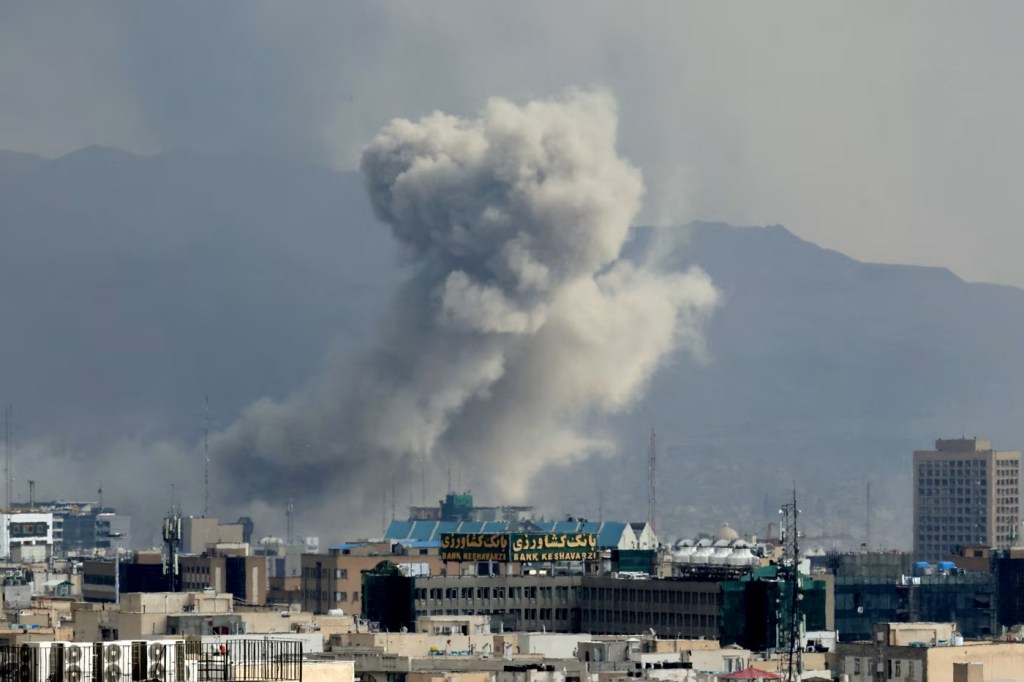
Attacks by the U.S. and Israel on Iran, and that country’s response, make the outlook for the global economy more uncertain, but it is too early to judge the impact, the International Monetary Fund said Tuesday.

In a statement, the Fund said it is closely monitoring developments in the Middle East, where the situation is “highly fluid.”

“It is too early to assess the economic impact on the region and the global economy,” the IMF said. “That impact will depend on the extent and duration of the conflict.”

President Trump, speaking Monday at the White House, said the attacks on Iran could last four to five more weeks.

The Fund said it will provide a comprehensive assessment in new forecasts that are due to be released next month.

In January, the Fund raised its growth forecast for the global economy this year, but warned activity could falter if trade barriers rise again and geopolitical conflicts intensify.

The Fund then expected global output to grow by 3.3%, having previously forecast an expansion of 3%.

In the days after the start of the conflict, energy prices have surged, reflecting the effective closure of the Strait of Hormuz and the suspension of operations at some oil-and-gas facilities in the region.

That could lead to a revival in inflation and a slowdown in growth for energy-importing countries. Government bond yields around the world have also risen and, if sustained, that would lead to higher borrowing costs for households and governments.

“So far, we have observed disruptions to trade and economic activity, surges in energy prices, and volatility in financial markets,” the IMF said.

Increased uncertainty could also restrain household spending and business investment, with the start of the conflict following hot on the heels of a more unpredictable outlook for trade after the U.S. Supreme Court’s ruling that Trump’s country-specific tariffs were illegal. https://www.wsj.com/economy/global/developments-in-middle-east-make-global-outlook-more-uncertain-imf-says-764794ad?mod=global_more_article_pos2

Eurozone Inflation Rises Unexpectedly, With Further Risks on the Horizon

Eurozone inflation picked up unexpectedly in February, and could accelerate further if the rise in energy prices that followed U.S. and Israeli attacks on Iran is sustained.

Consumer prices in the 21-member currency area were 1.9% higher than a year earlier compared with a 1.7% rise in January, the European Union’s statistics agency Eurostat said Tuesday. That was above a consensus of economists polled by The Wall Street Journal, which expected the inflation rate to remain unchanged on month.

The ECB targets an inflation rate of 2%, and forecasts price growth to average 1.9% in the first quarter.

The bank has said it expects consumer prices to average 1.9% this year, and to fall a little further in 2027, before rebounding to target in 2028. At its latest meeting in early February, the ECB voted to keep its key interest rate unchanged at 2%, reiterating that policy remains in a “good place.”

But higher energy prices following the attacks on Iran may push inflation even higher. The price of Brent crude oil, the international benchmark, topped $80 a barrel on Tuesday, and analysts have said prices could hit $100 if the conflict is prolonged. European natural-gas prices have risen more than 75% in the last two days. The price of oil and gas declined over 2025, but began picking up at the start of this year following multiple geopolitical shocks.

However, fresh geopolitical uncertainty could weaken confidence and damp growth, thereby cooling inflation. It could take time before policymakers can discern which of those effects are dominant, and respond.

“Should disruptions to oil markets or key transport routes materialize and become more permanent, this could increase costs and thereby influence inflation in Europe,” said Martin Kocher, head of Austria’s central bank, in an interview. “At the same time, heightened geopolitical tensions can weigh on investment and economic activity.”

While Europe isn’t highly reliant on energy resources from the Persian Gulf region, an increase in global prices for oil and natural gas would ultimately feed through to prices in Europe, regardless of limited physical imports.

Restrictions on gas imports are a particular concern for the bloc, as storage levels currently remain low. On Monday, a drone attack on QatarEnergy’s Ras Laffan gas complex caused European prices to soar.

The European Central Bank has previously said a 14% increase in oil prices could drive an increase in the inflation rate of half of a percentage point. Commerzbank estimates that a prolonged war in the Middle East could raise eurozone price growth by a full percentage point.

Eurozone energy prices, which are heavily influenced by international markets, slipped 3.2% in February compared with a 4% fall in January. Services inflation edged up to 3.4%.

Higher energy prices could prompt the ECB to consider raising interest rates, Point72 economist Soeren Radde said in a note. “In practice, the ECB will be wary of mistaking a very persistent energy price shock for a transient shock.”

But the ECB shouldn’t rush to draw comparisons with a spike in energy prices in 2022, said Guntram Wolff, professor of economics at the Universite Libre de Bruxelles. Russia’s war on Ukraine hit Europe particularly hard due to reduced supplies of natural gas and prolonged uncertainty over sanctions, which don’t apply in the case of Iran, he said.

“For now it’s a temporary shock, and as a central bank you want to look through this. Even if it’s a permanent shock, in the long term it will shuffle consumption away from other areas of demand towards energy use, offering some counterbalancing effect,” Wolff said.

In response to the 2022 spike in energy prices, the ECB raised its key interest rate by four-and-a-half percentage points between July 2022 and September of the following year. Inflation peaked in late 2022, and spent much of last year hovering around the 2% target.

A stronger euro, weak consumer demand and an influx of cheap goods from China have all put downward pressure on prices. https://www.wsj.com/economy/global/eurozone-inflation-remains-below-target-but-risks-loom-3e6bc673?mod=global_more_article_pos1

U.K. Government Sees Debt Plan On Track, But Flags Fresh Uncertainty

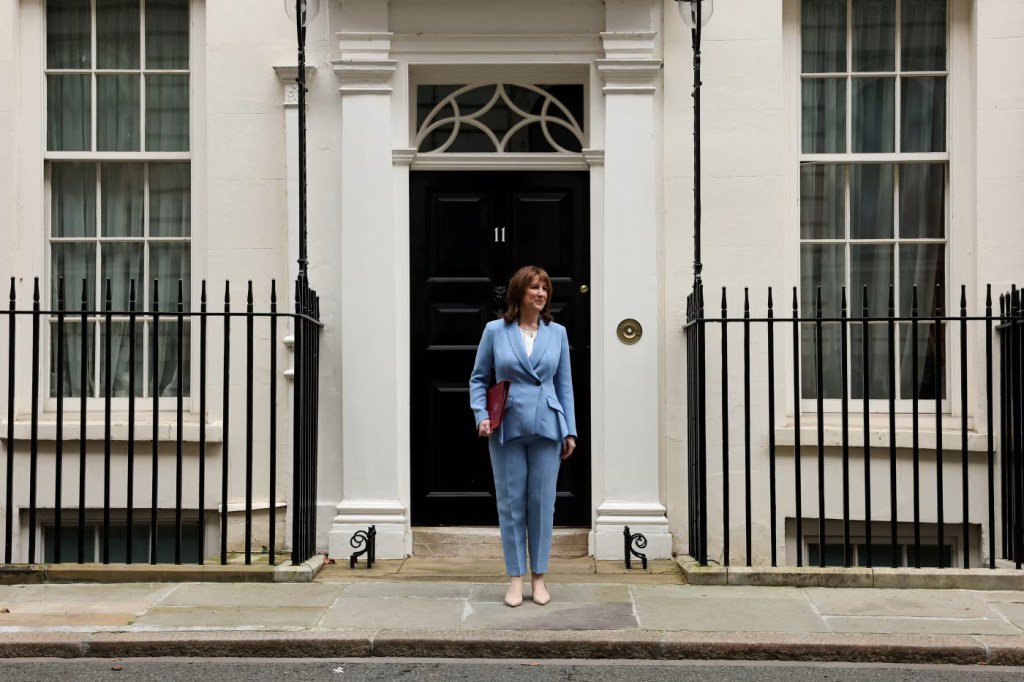
The U.K. government is on track to cut borrowing and reduce its debts, although the attacks on Iran by the U.S. and Israel have made the outlook more uncertain, Treasury Chief Rachel Reeves said Tuesday.

In the first of two annual presentations to lawmakers, Reeves cited new forecasts from the Office for Budget Responsibility that estimate the budget deficit for the fiscal year ending early next month will be 4.3% of annual economic output, the smallest gap between expenditures and revenues since the outbreak of the Covid-19 pandemic.

“The forecasts today confirm that the choices this government has made are the right ones,” Reeves said. “Stability in our public finances, interest rates and inflation falling.”

However, Reeves said the economic outlook has become “yet more uncertain” after the attacks on Iran and its response.

“It is incumbent on me and on this government to chart a course through that uncertainty, to secure our economy against shocks and protect families from the turbulence that we see beyond our borders,” she told lawmakers.

The conflict has raised energy prices, potentially slowing U.K. growth and pushing consumer prices and borrowing costs higher.

“If it persists, it will raise household bills and business costs in the months ahead, putting renewed upward pressure on inflation, and potentially interest rates,” said David Aikman, director of the National Institute for Economic and Social Research.

Even before the attacks, the outlook for the U.K. economy had weakened. The OBR lowered its growth forecast for 2026 to 1.1% from 1.4%.

The OBR’s estimate for this year’s budget deficit is lower than the 4.5% it saw in November. It expects the deficit to fall to 3.6% of economic output in the coming fiscal year, and 2.9% in the following period.

The OBR’s new forecasts indicate that the government is sticking to its self-imposed budget rules, which require that day-to-day spending is paid for out of tax revenues, rather than borrowing, by the fiscal year ending March 2030.

The budget watchdog estimated that in that year, the current budget will be in surplus by 23.6 billion pounds.

The budget rules also require that the stock of debt—measured as public sector net financial liabilities—should be falling by the fiscal year ending in 2030. The OBR estimated debt would be equivalent to 82.2% of economic output in that year, down from 82.9%.

Better news on the deficit had helped lower government bond yields following the November budget. That was helped by expectations that the Bank of England would lower its key interest in the first half of this year.

Over time, lower yields would have translated into reduced interest bills. But much of that progress has been unwound since the attacks on Iran began.

The BOE had expected inflation to settle at its target from April, but higher energy prices raise doubts about that projection. Policymakers may become more cautious, and reluctant to lower borrowing costs until they can be more certain of the likely impact of the new shock.

There is therefore a risk that economic growth and government tax revenues will be lower than the OBR expects, while the interest bill will be higher.

“The conflict in the Middle East has changed the outlook,” said Paul Dales, an economist at Capital Economics. “There is a real risk that government borrowing will be higher.” https://www.wsj.com/economy/u-k-government-sees-debt-plan-on-track-but-flags-fresh-uncertainty-dc54247b?mod=global_news_article_pos5

Swiss Inflation Holds Steady at Low Level as Franc Concerns Swirl

Swiss inflation was unchanged in February close to zero, a worry for the country’s central bank after it voiced increased willingness to intervene in foreign-exchange markets to halt recent gains in the franc.

Consumer prices were up 0.1% compared with February last year, the same rise as in January, Switzerland’s statistics agency said Wednesday. Swiss inflation was last negative in May.

The Swiss National Bank has struggled to limit the appreciation of the franc over the last year as investors have sought a safe haven from the upheaval caused by President Trump’s tariff hikes and innovations in foreign policy. The attacks on Iran over the weekend pushed the franc to its highest level against the euro in more than a decade on Monday.

A stronger franc lowers the domestic prices of imported goods, while also damping demand for Swiss goods abroad, which also cools inflation. The Swiss economy barely grew in the second half of last year after a significant rise in U.S. tariffs hit the country’s exports, which include luxury watches and chemicals.

The SNB has an inflation target of more than zero but below 2%. Central bankers fear periods of deflation, in which falling prices lead businesses and households to hold back on spending in anticipation of securing better deals in the future. This then weakens activity and prices in what can become a vicious circle.

The SNB has limited options to halt the appreciation of the franc. The central bank’s key interest rate is already at zero, and Chairman Martin Schlegel has long stressed there is a high bar to lowering the key rate below zero, underlining the negative impact on savers and the country’s banks.

The central bank could also sell francs to weaken the currency, thereby helping to boost the inflation rate.

In an unusual announcement, the SNB said Monday that its willingness to sell francs has increased.

“We are prepared to intervene in the foreign-exchange market to counter a rapid and excessive appreciation of the Swiss franc, which jeopardizes price stability in Switzerland,” the bank said.

The franc fell back slightly against other currencies after the announcement. However, it did little to dent the gain of more than 14% against the dollar in the past year.

“Such a warning from the SNB is rather rare,” Commerzbank analyst Michael Pfister said in a note to clients.

“For the time being, it is likely that officials have ensured the market will only test stronger franc levels very cautiously, even amid rising geopolitical risks,” he added.

The move could put Switzerland in the crosshairs of the U.S. Treasury, which put the Alpine nation on its watch list for currency manipulation.

Switzerland is due to publish its foreign-currency reserves for February on Friday.

The jump in prices of oil and gas prompted by the conflict in the Middle East could stoke an increase in inflation in the months ahead. More than 70% of energy consumed in Switzerland is imported, according to a 2025 study by the Swiss Energy Foundation.

“A stable currency and potentially higher energy prices, at least in the near term, largely eliminate the risk of the Swiss economy slipping into deflation over the coming quarters,” said Ankita Amajuri, Europe economist at Pantheon Macroeconomics in a note.

Imported-product prices were down 1.6% in February compared with the same month of last year, while domestic inflation was 0.6%, Wednesday’s data showed.

https://www.wsj.com/economy/swiss-inflation-holds-steady-at-low-level-as-franc-concerns-swirl-5e362cfa?mod=global_news_article_pos4

OECD Sees Rising Refinancing Risk as Bond Sales Surge

Governments in rich countries are set to sell a record amount of bonds this year in an increasingly risky environment, while a small number of companies plan to borrow heavily to fund the “enormous” cost of building AI capacity, the Organization for Economic Cooperation and Development said Wednesday.

In its annual report on debt issuance, the OECD said rich-country governments led by the U.S. will have to sell $14.5 trillion in bonds just to replace securities that are maturing, a process known as refinancing. New borrowing will likely bring total issuance to around $18 trillion, an increase of $1 trillion from last year, and a new record.

The increase in refinancing needs partly reflects a shift to selling bonds with shorter maturities, a response to the increased cost of selling longer-dated securities as borrowing surged during the Covid-19 pandemic and in subsequent years.

However, that shift to shorter maturities brings risks. The more often outstanding bonds need to be replaced with new issues, the more vulnerable the government is to a shock that leads investors to temporarily withdraw or demand sharply higher compensation to lend.

“The risk of refinancing may be high, especially in a geopolitical context with a lot of variability,” said Carmine Di Noia, the OECD’s director for financial affairs.

Yields on government bonds have risen sharply since the U.S. and Israel attacked Iran, a move that would increase the cost of refinancing if sustained.

According to the OECD’s figures, the U.S. faces the largest refinancing requirement among its membership, with bond sales equivalent to 31% of gross domestic product in 2025. Japan had the next highest requirement, at 25%, while Italy had the largest in Europe at 16.8%.

The U.S. accounts for an increasing share of total refinancing needs. It was responsible for 70% in 2025, up from 57% in 2020 and just 35% in 2007, the year before the global financial crisis struck.

New borrowing will likely bring total issuance to $18.3 trillion, an increase of more than $1 trillion from last year, and a new record. Governments from developing economies are expected to sell $3.6 trillion in bonds, up from $3.4 trillion last year.

Despite the rapid rise in sales amid increased trade disputes and international conflict, bond markets are “showing few signs of strain,” Di Noia said.

But that could change.

“The resilience debt markets have shown in the face of major pressures should not be taken for granted,” he said. “It rests on a foundation of rigorous monetary policy frameworks, serious commitments to sound fiscal policy, and trust in the integrity of the institutions governing these markets.”

The OECD also expects bond sales by businesses to reach a record high of $6.9 trillion this year, up from $6.8 trillion last year and $4.8 trillion in 2019.

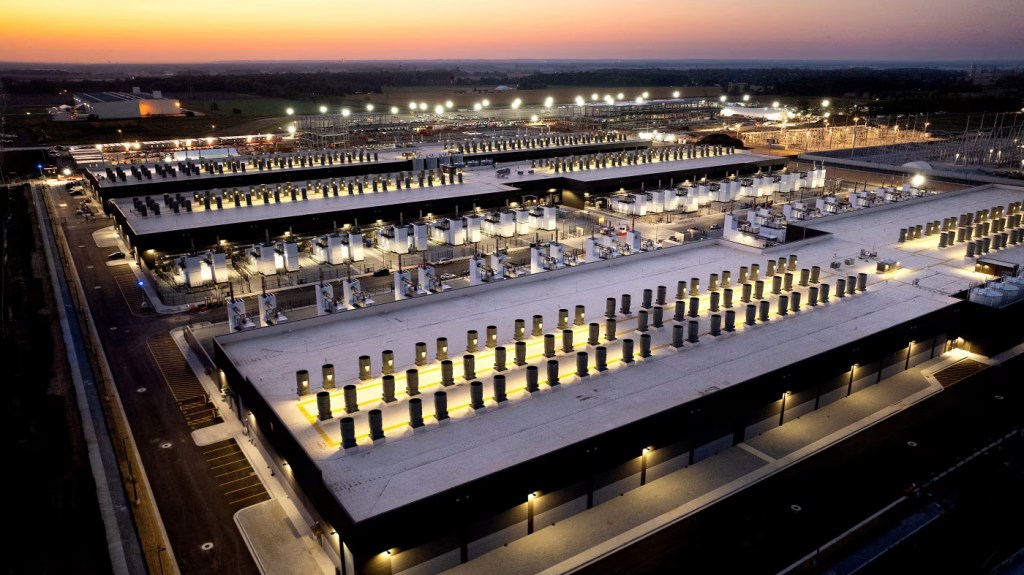
“Given the scale of capital expenditure required to finance the expansion of AI, corporate borrowing needs are expected to continue increasing substantially,” the Paris-based research body said.

That surge in AI-related borrowing could take the corporate bond markets into uncharted territory, with degrees of concentration similar to those seen in equity markets over recent years.

The OECD estimates that nine “hyperscalers” alone are planning capital expenditures of $4.1 trillion between 2026 and 2030, or 36% more than total capital expenditure by all non-financial U.S. companies in 2025.

If half of those investments were financed through bond markets, the OECD calculates the nine would account for issuance of bonds equivalent to 15% of average annual sales by all non-financial businesses globally in the years 2020 to 2025.

“These developments may be setting corporate debt markets on course to become more equity-like,” the OECD said. “Combined with the enormous AI-related financing needs of other sectors, from energy providers to construction companies, AI financing is set to transform these markets.”

Copyright ©2026 Dow Jones & Company, Inc. All Rights Reserved. 87990cbe856818d5eddac44c7b1cdeb8

Paul Hannon is economics editor for Dow Jones Newswires in London. Paul rejoined Newswires after a decade at The Wall Street Journal, where he was an editor for central banks and reported on the impact of the Covid-19 pandemic on the global economy. https://www.wsj.com/economy/global/oecd-sees-rising-refinancing-risk-as-bond-sales-surge-448ff986?mod=global_news_article_pos3

Eurozone Jobless Rate Hit New Record Low in January

The eurozone unemployment rate fell to a new record low in January, as the bloc continued to show resilience in the face of global uncertainty.

Unemployment in the currency area fell to 6.1% from 6.2% in December, the European Union’s statistics agency Eurostat said Wednesday.

“Overall, these are robust data which will add to the looming hawkish shift at the ECB as inflation risks now seem to be shifting to the upside,” said Claus Vistesen, chief eurozone economist at Pantheon Macroeconomics.

Across the bloc’s major economies, the decline was driven mainly by falling joblessness in Spain and Italy, he said.

Excluding Bulgaria, which joined the eurozone at the start of 2026, the unemployment rate stood at 6.2%.

“Falling unemployment in Bulgaria of all places…is now helping eurozone joblessness lower,” Vistesen said.

The currency area’s jobless rate is projected to remain relatively stable this year. However, a prolonged attack on Iran by the U.S. and Israel could eventually feed through to employment, as higher energy prices put pressure on businesses.

The figures follow the publication of S&P Global’s purchasing managers’ eurozone survey in late February, which showed companies are reluctant to hire new employees.

In Germany, the bloc’s largest economy, the number of unemployed people fell to just above 3 million in February, with the adjusted rate remaining at 6.3%.

Copyright ©2026 Dow Jones & Company, Inc. All Rights Reserved. 87990cbe856818d5eddac44c7b1cdeb8

Don Nico Forbes is a reporter for Dow Jones Newswires and The Wall Street Journal, covering European economics. He also writes features on sustainable business. Don joined Dow Jones and the Journal as a publishing editor in 2019. He holds degrees from the University of Manchester and Universitat Pompeu Fabra, in Barcelona. https://www.wsj.com/world/europe/eurozone-jobless-rate-hit-new-record-low-in-january-43a06109?mod=global_news_article_pos2

Eurozone Retail Sales Decline Unexpectedly

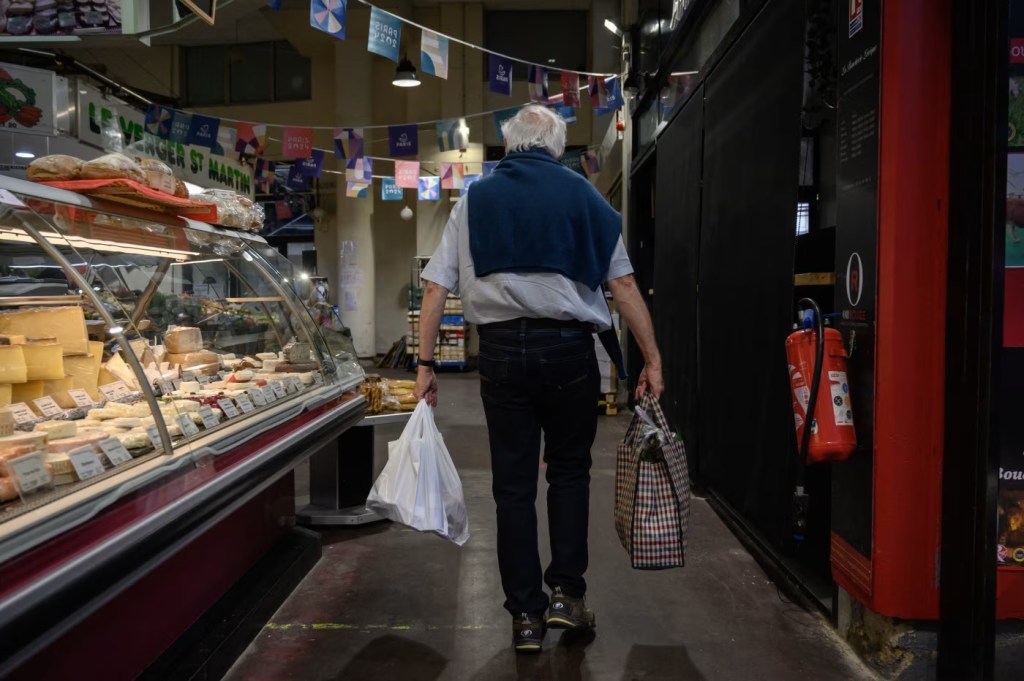
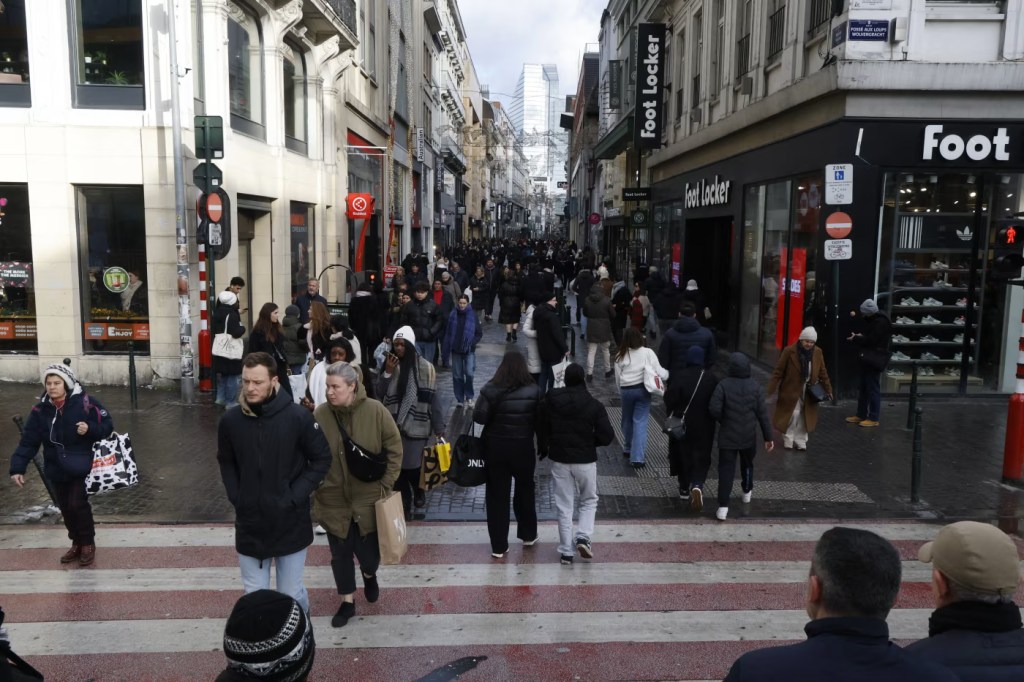
Eurozone retail sales fell unexpectedly in January despite a rise in consumer confidence at the start of the year, pointing to fragility in household sentiment even before this week’s surge in energy prices.

Volumes were down 0.1% on month, compared with growth of 0.2% in December, the European Union’s statistics agency said Thursday. A consensus of economists polled by The Wall Street Journal expected a 0.3% rise.

The figure for December was revised up from a 0.5% decline.

The fall in January was driven by lower sales of nonfood products and automotive fuel. Volumes were down 0.9% in Germany, the eurozone’s largest economy, while sales rose in France, Spain and Italy.

This comes despite the bloc showing resilience to rising headwinds at the beginning of 2026. On Wednesday, data showed the eurozone unemployment rate falling to a record low in January. Consumer confidence also picked up in the month, according to figures published last week.

But looking ahead, the outlook is likely to be dragged by rising geopolitical uncertainty and energy prices following U.S. and Israeli strikes on Iran.

“This week’s increase in gas and oil prices may dent confidence a bit and lead to higher household inflation expectations,” said Andrew Kenningham, chief Europe economist at Capital Economics.

Even so, household consumption is expected to rise at a moderate pace this year, he said.

Figures also released Thursday showed the Irish economy contracted much more sharply in the final three months of last year than previously estimated. The country’s statistics agency now calculates that gross domestic product was 3.8% lower than in the third quarter, having previously seen a decline of 0.6%.

That may lead to a reduced estimate for growth in the eurozone as a whole during the period. The European Union’s statistics agency had calculated that the currency area’s economy grew by 0.3%.

While Ireland’s economy experienced a sizable contraction at the end of 2025, it recorded one of the world’s fastest expansions over the year as a whole. The Central Statistics Office said annual GDP was 12.3% higher than in 2024, having previously seen growth of 12.6%, on a surge in exports of weight-loss drugs to the U.S.

Copyright ©2026 Dow Jones & Company, Inc. All Rights Reserved. 87990cbe856818d5eddac44c7b1cdeb8

Don Nico Forbes is a reporter for Dow Jones Newswires and The Wall Street Journal, covering European economics. He also writes features on sustainable business. Don joined Dow Jones and the Journal as a publishing editor in 2019. He holds degrees from the University of Manchester and.. https://www.wsj.com/business/retail/eurozone-retail-sales-decline-unexpectedly-f6e3b589?mod=global_news_article_pos1