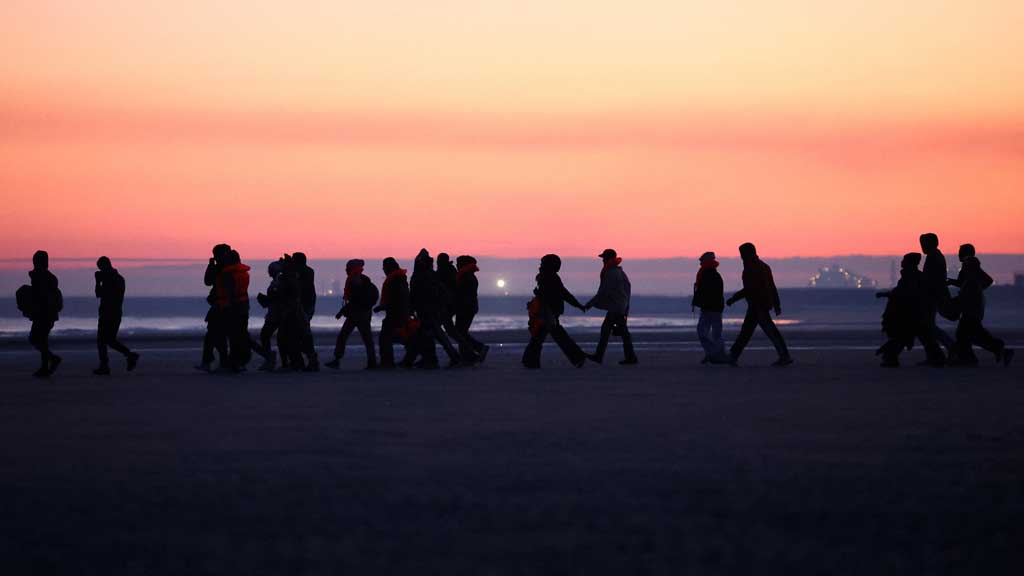
UK investigates ‘false’ gay, domestic abuse claims from Bangladesh, Pakistan migrants

The British government has launched an investigation after a BBC report alleged that some migrants, including from Bangladesh and Pakistan, were being coached to make false asylum claims in order to remain in the United Kingdom.

The London-based broadcaster uncovered evidence of individuals being advised to feign being gay or victims of domestic abuse to exploit the country’s protection systems.

The UK Prime Minister’s Office said on Friday that “robust safeguards” are in place to ensure all applications are rigorously and fairly assessed.

A spokesman for the prime minister said the Home Office and the Immigration Advice Authority are now working together to ensure that anyone found abusing the immigration system is held accountable.

The BBC investigation detailed how migrants with expiring visas are provided with fake cover stories and instructed on how to obtain fabricated evidence, such as medical reports and staged photographs.

In certain instances, legal advisors reportedly charge thousands of pounds to help clients claim they would face death in Pakistan or Bangladesh due to their sexuality.

The broadcaster also found that some migrants are duping British partners into marriage before filing fraudulent domestic abuse claims to secure fast-track residency.

Statistics show that such claims have surged by more than 50 percent in three years, now exceeding 5,500 annually.

The home secretary has warned that those attempting to defraud the public will see their applications refused and could face deportation.

Immigration Services Commissioner Gaon Hart described “abuse of the system” by a minority of advisors and said enforcement actions had increased following complaints and referrals from the Home Office, according to comments to BBC Radio 4’s Today programme.

While the Labour government has made cracking down on illegal immigration a priority since taking office in 2024, opposition parties have called for a total overhaul of the system.

Conservative Shadow Home Secretary Chris Philp argued for stricter controls, while Reform UK suggested making the facilitation of false claims a criminal offence punishable by jail time.

Conversely, the Green Party cautioned that such reports might worsen the “hostile environment” for genuine asylum seekers. https://bdnews24.com/bangladesh/508b4c9bc5a4
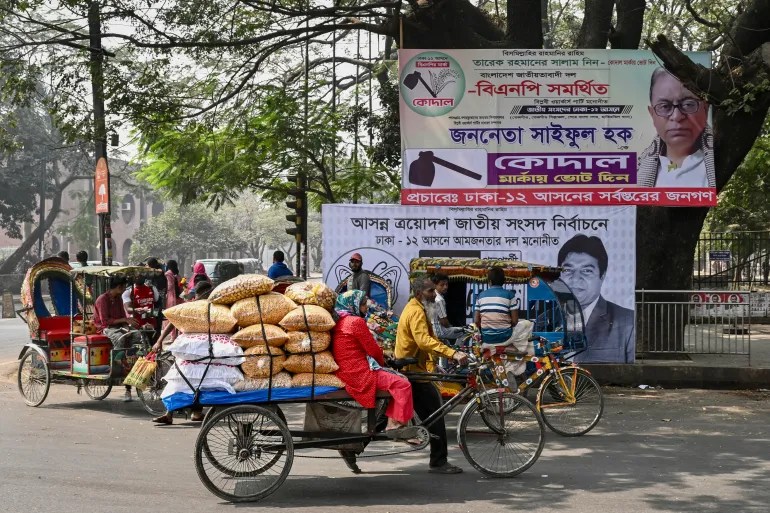
Bangladesh parliament meets after uprising, elections ushered in new gov’t

Bangladesh’s parliament has convened for the first time since a deadly 2024 uprising plunged the country into political turmoil and triggered landmark elections last month.

“After more than a decade and a half of fascist and subservient rule, the activities of parliament are beginning today with representatives elected by the people,” the newly elected Prime Minister Tarique Rahman told parliament on Thursday.

Rahman, the leader of the Bangladesh Nationalist Party (BNP), and son of the late leader Khaleda Zia, took over after February 12 elections from the interim administration that had led the country of 170 million people since August 2024.

“The BNP wants to build a prosperous, safe and democratic country,” the party’s leader said, calling on all politicians, whatever their political opinions, to work together.

Rahman blamed the toppled government of Sheikh Hasina, who has been sentenced to death in absentia for the crackdown that killed hundreds, and her Awami League party, for undermining the previous parliament.

About 1,400 people were killed and more than 20,000 injured in the uprising, according to the United Nations.

Hasina, 78 is currently in self-imposed exile in India.

“The fallen dictatorship made parliament dysfunctional, instead of making it the centre of all national activities,” Rahman said, promising it would change under his watch.

“We will make parliament the centre of all debates and arguments aimed at resolving the country’s problems.”

Those urgent problems include tackling a sluggish economy, restoring stability and reviving growth after months of turmoil that rattled investor confidence and strained state finances.

The world’s second largest garment exporter, heavily dependent on fossil fuel imports, has also been hit hard by an oil price spike caused by the war launched by the United States and Israel on Iran.

Bangladesh has closed universities and launched fuel rationing amid a worsening energy crisis linked to reverberations from the conflict in the Middle East and Tehran’s retaliatory strikes across the region.

Rahman’s appeal for unity is a bid to heal rifts in a country polarised by years of bitter rivalry.

A new speaker, Hafiz Uddin Ahmad, and his deputy, Kayser Kamal, were elected to office. Both are members of the BNP.

The parliament building was looted during the August 2024 uprising against Hasina, but has since been repaired.

The BNP-led alliance secured 212 seats, while the BNP alone won 209 seats of the 350-seat parliament.

The leader of the opposition is Shafiqur Rahman, who heads the Jamaat-e-Islami-led alliance with 76 seats, with Jamaat alone holding 68. https://www.aljazeera.com/news/2026/3/12/bangladesh-parliament-meets-for-first-time-after-uprising-elections